
Dispatch · July 3, 2026 · 5 min · By Caleb Trevino
The 15 Minutes That Matter Most: Inside a Full-Body Skin Check
In a neighborhood optimized for cosmetic dermatology, the annual skin cancer screening is the least marketed appointment on the books. Here is what a rigorous exam looks like, who needs one, and the questions that separate thorough from theatrical.
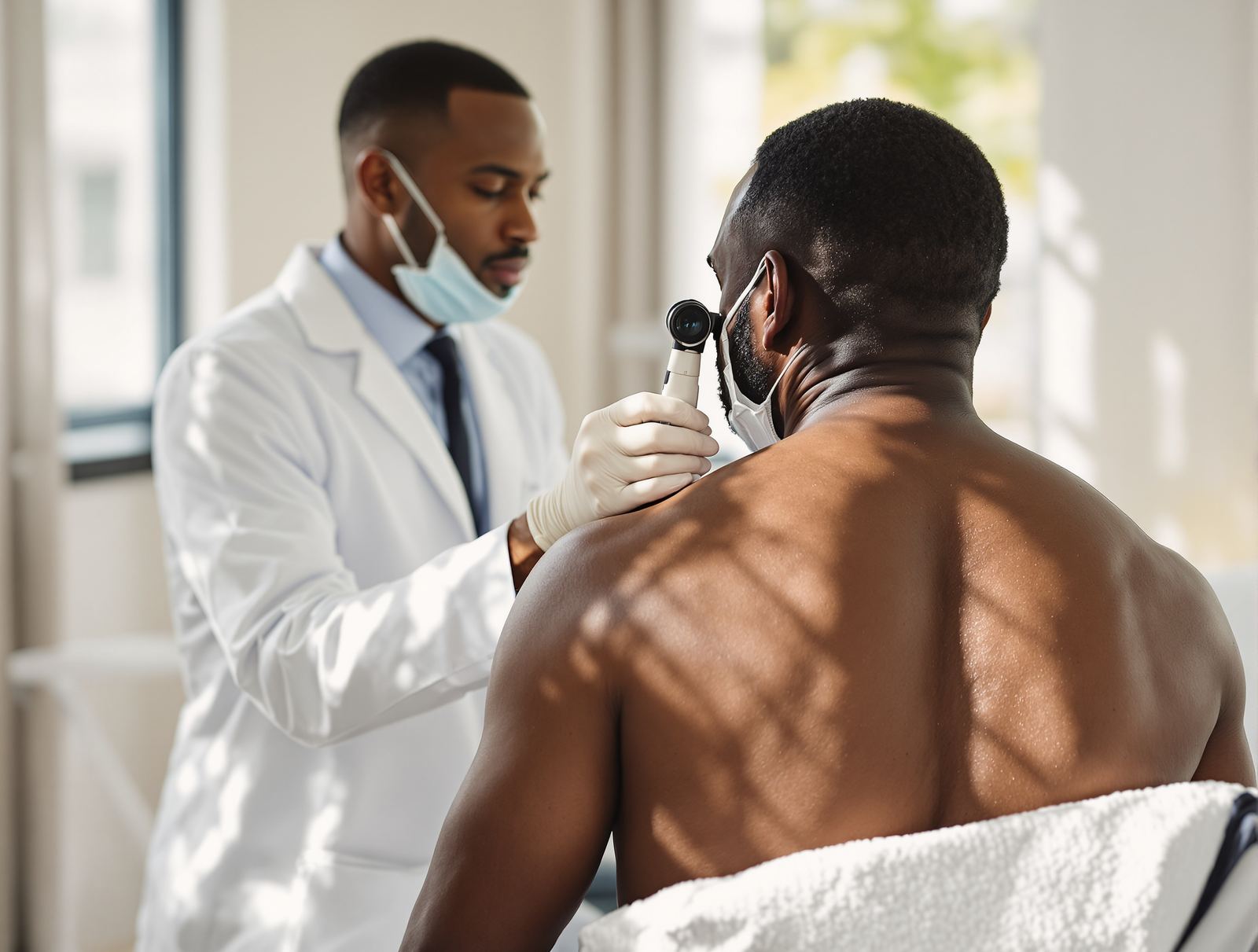
There is a quiet irony in Beverly Hills dermatology: the appointment with the highest stakes is the one with no waiting-room brochure. Full-body skin examinations do not photograph well and do not sell packages. They also catch melanomas while they are still curable, which makes them, minute for minute, the most valuable fifteen minutes in the building.
Why Southern California raises the stakes. The Skin Cancer Foundation estimates that one in five Americans will develop skin cancer by age seventy, and ultraviolet exposure is the dominant driver. Los Angeles residents accumulate that exposure year-round, on freeway commutes, patio lunches, and Saturday hikes, often without registering it as sun time. The result is a population with high lifetime UV doses and, among the aesthetically attentive, a tendency to treat brown spots as cosmetic nuisances rather than diagnostic questions. Most spots are nuisances. The exam exists for the exceptions.
What a rigorous exam actually covers. A proper screening is systematic, not a glance at whatever you point to. Expect a gown, and expect the dermatologist to work methodically: scalp parted in rows, face, ears, neck, trunk, arms, hands including palms and nail beds, legs, the soles of the feet, and the skin between the toes. Melanoma in people with darker skin tones disproportionately appears on palms, soles, and under nails, which is precisely why a thorough exam refuses to skip them. A good examiner narrates as they go, and a great one logs what they see so next year has a baseline.
The dermatoscope is the tell. The single most reliable sign you are in careful hands is a dermatoscope, the small illuminated magnifier the physician presses to individual lesions. Dermoscopy substantially improves the accuracy of melanoma detection compared with the naked eye, and its routine use signals a practice oriented around diagnosis rather than throughput. Many high-risk patients now also get total-body photography or mole mapping, which turns the question from does this look bad into has this changed, a far better question.
Know your ABCDEs, but know their limits. The public checklist still earns its place: asymmetry, border irregularity, color variation, diameter above six millimeters, and evolution over time. Evolution deserves the emphasis. A spot that is new in adulthood, growing, itching, or bleeding outranks any static feature. But self-checks supplement screening; they do not replace it, because the lesions patients find are, by definition, the ones in easy view.
Who needs this, and how often. Annual screening is the standard recommendation for adults with fair skin, significant sun history, many moles, a personal or family history of skin cancer, or prior tanning-bed use. Higher-risk patients are often seen every six months. Adults with deeper skin tones are not exempt: their melanomas are rarer but are diagnosed later on average, with worse outcomes, which argues for inclusion rather than complacency.
The cosmetic-clinic blind spot. Here is the structural problem this publication keeps returning to: a growing share of local skin appointments happen in aesthetic settings where nobody is examining anything except the treatment area. A patient can be diligent about quarterly injectables and go five years without anyone looking at their back. The distinction matters because the two halves of the specialty answer different questions, a divide we mapped in cosmetic versus medical dermatology. The fix is administrative, not moral: book the screening as its own annual appointment, with a board-certified dermatologist, and let the cosmetic calendar orbit it.
What happens if something looks wrong. Usually a photograph and a recheck interval. Sometimes a biopsy, a five-minute procedure under local anesthetic that removes all or part of the spot for pathology. Most biopsies return benign. The ones that do not are the entire argument for having gone.
The through-line. Prevention still does the heaviest lifting, and in this climate that means the daily discipline detailed in our Southern California SPF routine. But sunscreen forgives nothing retroactively. For the decades of UV already banked, the exam is the safety net, and it works best when it happens on schedule, every year, whether or not anything looks different in the mirror.
Related reading: Cosmetic dermatology versus medical dermatology.