
Explainer · August 9, 2026 · 4 min · By Noor El-Amin
RF Microneedling vs. Traditional Microneedling: What the Energy Actually Adds
Beverly Hills consult rooms increasingly steer patients toward radiofrequency microneedling over the classic needle-only version. Here is what the added energy does at the tissue level, who benefits, and where the upgrade is oversold.
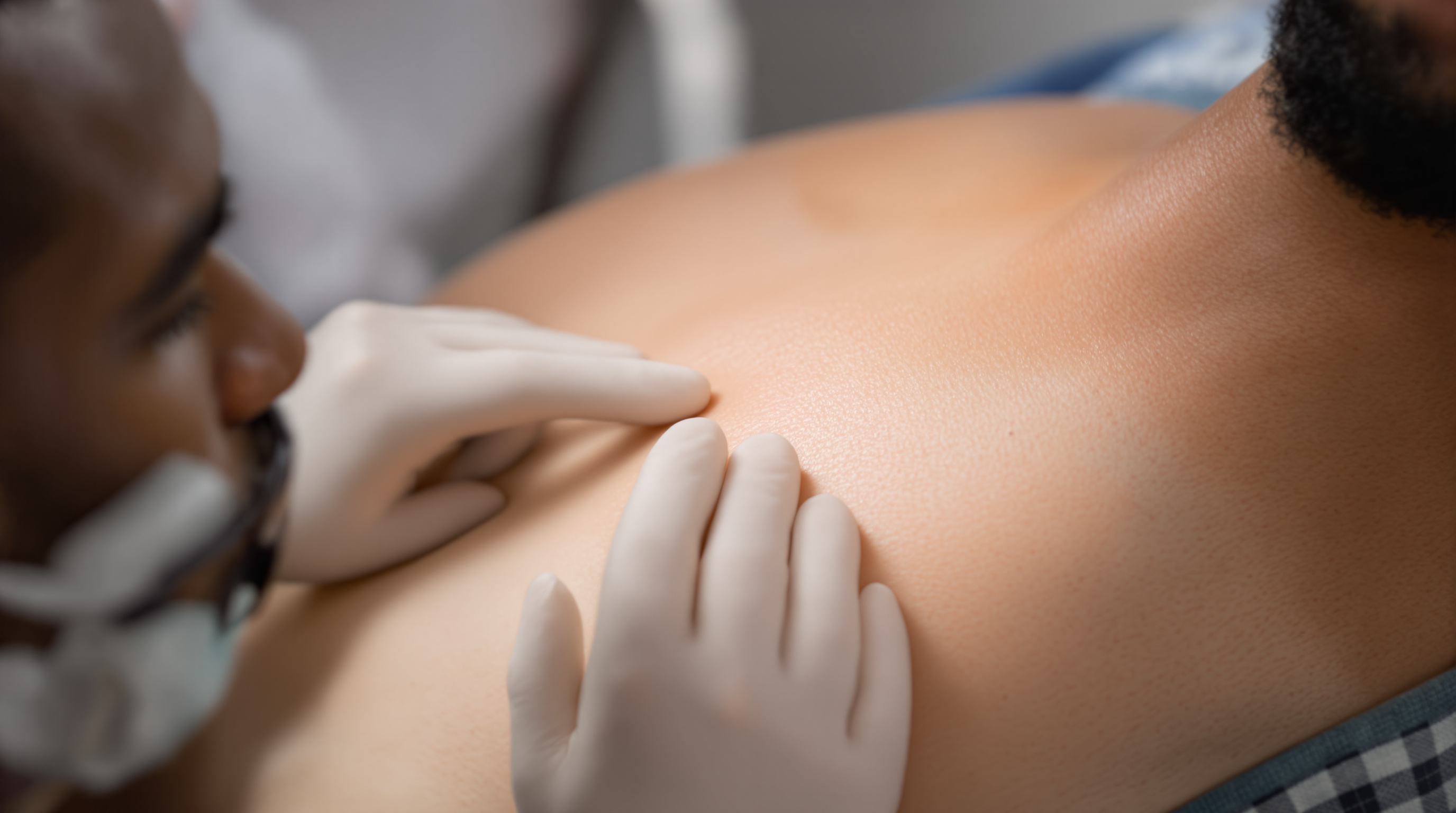
Walk into almost any dermatology practice in the 90210 zip code and you will hear two similar-sounding procedures pitched at very different price points. Traditional microneedling typically runs a few hundred dollars per session. Radiofrequency microneedling, often marketed under device brand names, can cost three to five times more. Both involve needles puncturing the skin. The question patients rarely get a clear answer to is what, mechanistically, the radiofrequency component adds, and whether that addition matters for their specific concern.
The shared mechanism: controlled injury. Both procedures work on the same foundational principle. Fine needles create thousands of micro-channels in the skin, which the body registers as wounds. The wound-healing cascade that follows recruits fibroblasts, the cells responsible for producing collagen and elastin. Over the following weeks to months, new collagen is deposited, which can modestly improve skin texture, fine lines, and the appearance of certain acne scars. This is why results from either procedure are never immediate. Collagen remodeling operates on a timeline of roughly four to twelve weeks, and most protocols call for three to four sessions spaced about a month apart.
What radiofrequency changes. In RF microneedling, the needles are not just mechanical tools. They are electrodes. Once inserted to a set depth, often adjustable between roughly 0.5 and 3.5 millimeters depending on the device and treatment area, they deliver radiofrequency energy that heats the surrounding dermis to approximately 60 to 70 degrees Celsius. That temperature range matters. It is the threshold at which collagen fibers denature and contract, producing an immediate tissue-tightening effect, and at which heat shock proteins trigger a more robust and prolonged fibroblast response than mechanical injury alone.
The second meaningful difference is depth control. Traditional microneedling injures the skin from the surface down, so the epidermis takes the brunt of the trauma. Many RF devices use insulated needles that release energy only at the tip, allowing clinicians to heat the deep dermis or even the fibrous bands beneath acne scars while largely sparing the surface. This is the mechanistic basis for two frequently cited advantages: the ability to treat deeper structural concerns like skin laxity, and a potentially lower risk of post-inflammatory hyperpigmentation in medium to deep skin tones, since less energy is deposited in the pigment-producing layer. That said, the pigmentation safety picture is device-dependent and technique-dependent, and darker-skinned patients should still expect a conservative test approach from a careful clinician.
Where the upgrade is justified. The published comparative data, while limited by small study sizes, points in a consistent direction. For mild to moderate skin laxity, particularly along the jawline and neck, RF microneedling outperforms needle-only treatment because tightening requires deep dermal heating that mechanical injury cannot replicate. For rolling and boxcar acne scars, the ability to deliver energy at the depth of the scar's tethering tissue gives RF a plausible edge, and several split-face studies support modestly better scar scores. For enlarged pores and oil production, RF energy directed at the sebaceous layer has shown measurable sebum reduction in some trials, an effect traditional microneedling does not reliably produce.
Where it is oversold. For superficial texture, fine lines, and overall glow, the gap narrows considerably. Traditional microneedling at appropriate depths, performed in a series, produces respectable collagen induction for a fraction of the cost. Patients pursuing general skin quality maintenance rather than laxity or scarring may not see a difference proportional to the price difference. RF microneedling is also not a substitute for surgical lifting, and framing it as a nonsurgical facelift overstates what dermal tightening can achieve. Significant jowling or true skin excess responds to neither procedure.
Downtime and risk, compared honestly. Traditional microneedling typically causes one to three days of redness resembling a sunburn. RF microneedling usually involves more swelling, occasional pinpoint scabbing at needle sites, and three to five days of visible recovery. Both carry infection risk if aftercare is poor. RF adds burn risk if energy settings are miscalibrated, and there are case reports of grid-pattern marks and fat loss from overly aggressive deep treatment, which is one reason operator experience matters more with the energized version.
The bottom line. Think of the two procedures as different tools rather than a basic and premium version of the same thing. If the goal is laxity, scar remodeling, or oil control, the radiofrequency component addresses mechanisms that needles alone cannot reach. If the goal is surface refinement, the classic version remains a legitimate and cost-effective choice. A consult that starts by asking which structure of the skin needs to change, rather than which device is newest, is the most reliable sign you are in the right chair.
Related reading: Microneedling with PRP in Beverly Hills: What the 'Vampire Facial' Actually Does.
More in Explainer
View all →- Why Melasma Often Gets Worse After Laser, and What Actually Works
- Ultrasound Before the Syringe: Why Beverly Hills Injectors Are Mapping Faces First
- Fillers That Fill vs. Fillers That Build: How Biostimulatory Injectables Actually Work
- Sculptra vs. Radiesse: How Beverly Hills Injectors Actually Choose Between the Two Biostimulators