
Explainer · August 7, 2026 · 4 min · By Noor El-Amin
Why Melasma Often Gets Worse After Laser, and What Actually Works
Beverly Hills patients frequently arrive asking for the strongest laser available for melasma. Dermatologists increasingly say that is the wrong question. Here is the mechanism behind rebound pigmentation and the evidence-based ladder clinicians actually use.
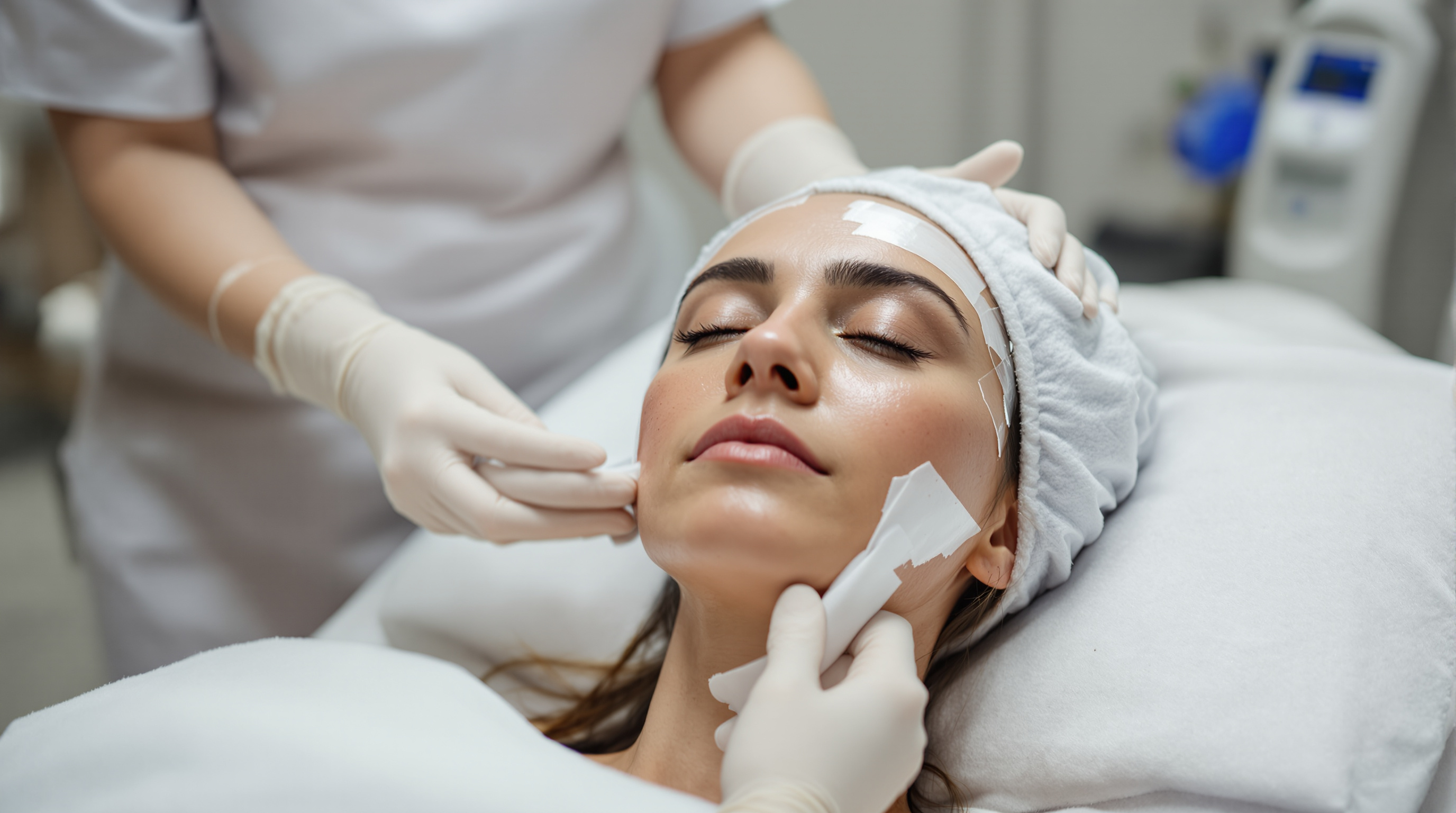
Melasma is one of the most common reasons patients walk into a Beverly Hills dermatology office, and it is also one of the most commonly mistreated conditions in aesthetic medicine. The pattern is familiar to clinicians: a patient receives an aggressive laser treatment, the pigment lightens for a few weeks, and then it returns darker and often more widespread than before. Understanding why this happens requires understanding what melasma actually is, because it is not simply excess pigment sitting in the skin.
Melasma is a dysfunction, not a stain. In conditions like sun spots, pigment is a static deposit that can be broken up and cleared. Melasma is different. The melanocytes, the pigment-producing cells, are hyperactive and hyperresponsive. Research over the past decade has shown that melasma also involves increased vascularity in the affected skin, a damaged basement membrane that lets pigment drop into the dermis, and upregulated signaling between melanocytes and surrounding cells including fibroblasts and blood vessel cells. In plain terms, the pigment factory is overclocked, and the factory itself is the problem.
Why heat backfires. Most lasers work by delivering energy that becomes heat. Heat and inflammation are two of the strongest known triggers for melanogenesis, the pigment production pathway. When an already hyperreactive melanocyte is heated or inflamed, it frequently responds by producing more melanin, not less. This is the mechanism behind rebound melasma and post-inflammatory hyperpigmentation, and it explains why patients with medium and darker skin tones, Fitzpatrick types III to VI, are at particularly high risk. This is directly relevant in Los Angeles, where the patient population is highly diverse and year-round ultraviolet exposure keeps melanocytes primed.
The actual first line is not a device at all. Board-certified dermatologists treating melasma typically start with three pillars. First, rigorous photoprotection, meaning a tinted mineral sunscreen containing iron oxides. This detail matters mechanistically: visible light, especially blue light, stimulates pigment in darker skin types, and standard chemical sunscreens do not block visible light. Iron oxides do. Second, topical therapy, most often a combination of hydroquinone, a retinoid, and a mild corticosteroid, sometimes called triple combination cream, used in supervised cycles. Alternatives with growing evidence include cysteamine, azelaic acid, and topical tranexamic acid. Third, for stubborn cases, oral tranexamic acid, a medication that interferes with the plasmin pathway linking ultraviolet exposure, blood vessel activity, and melanocyte stimulation. It requires screening for clotting risk factors and is prescribed at low doses for limited courses.
Where devices genuinely fit. Lasers are not banned from melasma care, they are simply demoted to adjuncts. When clinicians do use energy, they favor low-fluence approaches: gentle passes with a 1064 nanometer Q-switched or picosecond laser at settings deliberately too weak to cause visible injury, spaced weeks apart, always layered on top of topical therapy and sun protection. Low-density non-ablative fractional treatments are sometimes used for dermal pigment. Chemical peels, when chosen, are superficial, typically low-strength glycolic or mandelic acid. The unifying principle is minimal heat, minimal inflammation, maximal patience. Any provider promising to erase melasma in one high-powered session is describing a treatment plan that contradicts the biology of the disease.
Myths worth retiring. One: melasma can be cured. It cannot, currently. It is a chronic, relapsing condition that is managed the way rosacea or eczema is managed, with maintenance and trigger avoidance. Two: stronger treatment means faster results. In melasma, stronger frequently means worse, for the mechanistic reasons above. Three: melasma is purely a sun problem. Ultraviolet light is the dominant trigger, but heat itself, visible light, hormonal shifts from pregnancy or contraceptives, and even certain fragrances in cosmetics can contribute. Patients who work near ovens, do hot yoga, or use saunas regularly sometimes see flares without significant sun exposure.
What a reasonable consultation looks like. A thorough melasma workup includes a review of hormonal history and medications, an assessment of skin type and prior pigmentation responses, and often a Wood's lamp examination to estimate whether pigment sits in the epidermis, the dermis, or both, since dermal pigment responds more slowly to everything. Expect a conversation about a twelve week topical trial before any device is discussed. Expect realistic language: improvement of fifty to eighty percent is a strong outcome, and maintenance therapy continues indefinitely.
The broader lesson extends beyond melasma. In a market saturated with device marketing, the most sophisticated care often looks the least dramatic. For this condition, the standard of care is a tinted sunscreen, a prescription cream, and a clinician willing to say no to the laser, at least at first.
Related reading: Myth Check: Can a Laser Actually Cure Melasma?.
More in Explainer
View all →- RF Microneedling vs. Traditional Microneedling: What the Energy Actually Adds
- Ultrasound Before the Syringe: Why Beverly Hills Injectors Are Mapping Faces First
- Fillers That Fill vs. Fillers That Build: How Biostimulatory Injectables Actually Work
- Sculptra vs. Radiesse: How Beverly Hills Injectors Actually Choose Between the Two Biostimulators