
Myth Check · August 8, 2026 · 5 min · By Noor El-Amin
Polynucleotide Injections: What the Science Actually Says About Beverly Hills' Newest Skin Booster
Salmon DNA injectables are the most requested new treatment in 90210 consult rooms this year. Here is a clinician-grade look at the mechanism, the evidence, and the regulatory fine print most marketing skips.
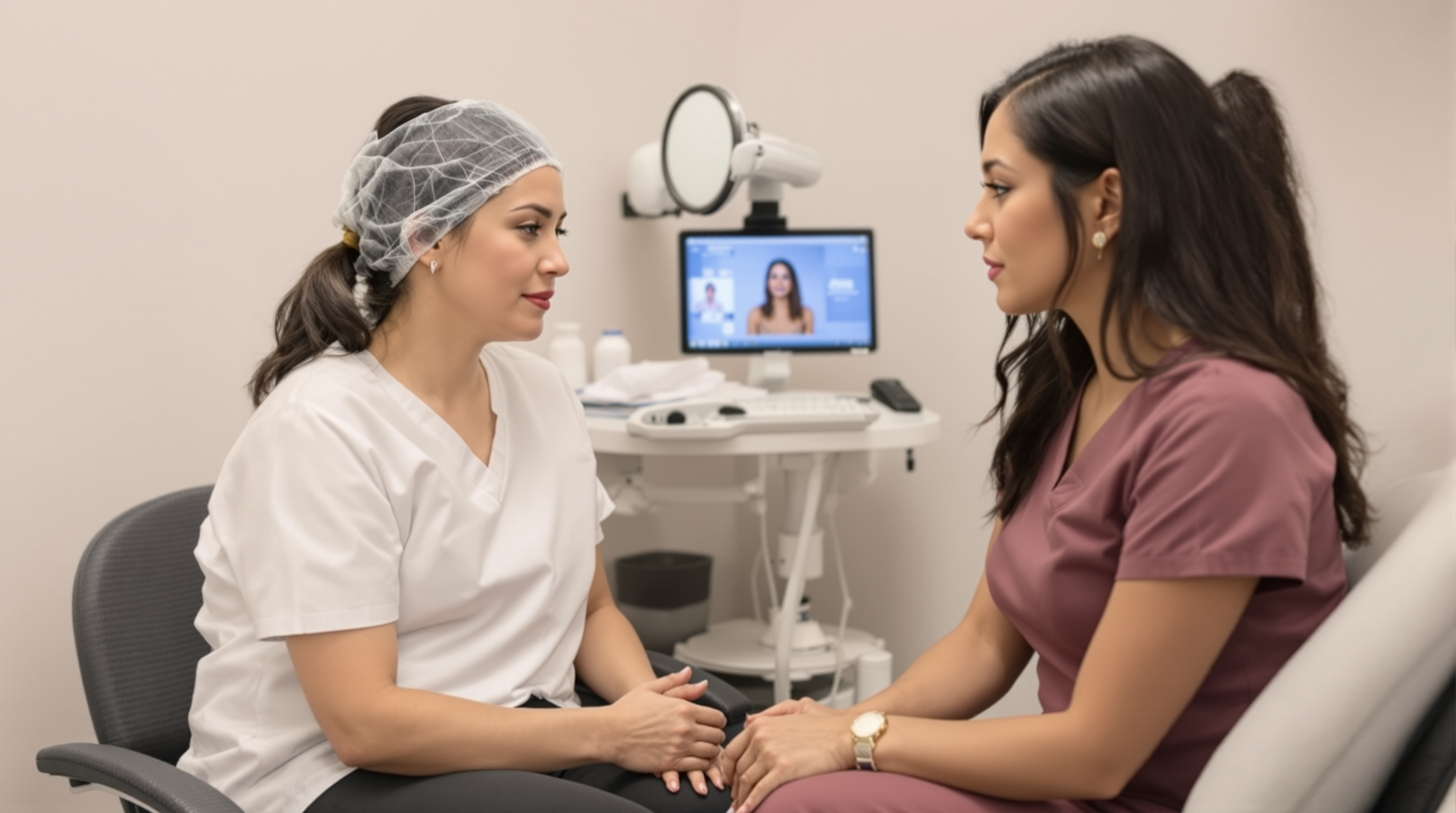
If you have sat in a Beverly Hills dermatology waiting room in the past year, you have probably overheard someone asking about "salmon sperm facials" or polynucleotide injections. The treatment, built around purified DNA fragments derived from salmon or trout, has migrated from Korean and European clinics into the Los Angeles market at remarkable speed. Patients are being told it regenerates skin rather than filling it, and that it is the natural alternative to hyaluronic acid. Some of that framing is defensible. Some of it runs well ahead of the data. This piece separates the two.
What the injections actually contain. Polynucleotide products are made from DNA extracted from fish gonadal tissue, then purified, fragmented, and sterilized. The two terms you will see are PDRN, or polydeoxyribonucleotide, which refers to shorter chains, and PN, or polynucleotide, which refers to longer, higher molecular weight chains. The longer chains hold more water and create a mild scaffold effect in the dermis. The shorter chains are studied mostly for their signaling activity. Marketing tends to blur the two, but the distinction matters for what you can reasonably expect.
The mechanism is real, and it is not filler. The best characterized pathway is agonism of the adenosine A2A receptor. When DNA fragments are broken down in tissue, the resulting compounds activate this receptor on fibroblasts and other cells, which in laboratory and animal models increases fibroblast proliferation, collagen synthesis, and angiogenesis, and dampens certain inflammatory signals. PDRN also supplies purines and pyrimidines through the salvage pathway, essentially giving cells prefabricated building blocks for DNA repair. This is why PDRN has a legitimate track record in wound healing research, including studies in diabetic ulcers. So the phrase "it stimulates your own skin" is not pure invention. The mechanism exists.
Where the evidence gets thinner. The jump from wound healing biology to cosmetic rejuvenation is where claims outpace proof. Published aesthetic studies do exist, mostly from South Korea, Italy, and the UK, showing improvements in skin hydration, elasticity, and fine texture after a series of injections, typically three to four sessions spaced two to four weeks apart. But most of these trials are small, many lack rigorous blinding or saline controls, and follow-up rarely extends past six months. Improvements in objective measures like corneometry readings are modest. Nobody has demonstrated that polynucleotides lift tissue, replace volume, or substitute for a well placed filler or an energy device. Patients expecting a visible structural change from a hydration and quality treatment will be disappointed, and honest clinicians say so upfront.
The regulatory point most consultations skip. In the United States, no injectable polynucleotide product currently holds FDA approval for aesthetic injection. Products in this category that appear in American practices are often cleared or marketed as topical solutions, meant to be applied to skin, sometimes alongside microneedling. When a practice injects such a product, that is an off-label or off-clearance use, which is legal territory physicians can navigate, but patients deserve to be told plainly. Contrast this with the UK and much of Europe, where several polynucleotide injectables carry CE marking and are injected routinely. The Beverly Hills version of this treatment is often the microneedling-assisted topical protocol, sometimes described in marketing language that implies injection. Ask which it is. The depth of delivery plausibly affects results, since the target fibroblasts sit in the dermis, not on the surface.
Safety profile and who should pause. Reported adverse events are generally mild: injection site bruising, small temporary bumps, redness lasting a day or two. Because the material is highly purified and DNA is structurally similar across species, true allergic reactions appear rare, though anyone with a documented fish allergy should discuss this carefully, and observant vegans and some patients with religious dietary considerations may object to the source material on principle. Standard injection contraindications apply: active skin infection, pregnancy as a precaution given absent data, and unrealistic expectations, which remains the most common complication in aesthetic medicine.
The bottom line. Polynucleotides occupy a middle category that American cosmetic medicine has not had a clean word for: not a filler, not a neuromodulator, closer to what Europeans call a skin booster. The underlying biology, particularly A2A receptor mediated fibroblast activation, is credible and published. The cosmetic evidence is early, modest, and mostly short term. The regulatory status in the US is murkier than the treatment menus suggest. If you pursue it, treat it as an adjunct for skin quality, under-eye crepiness, and hydration, budget for a series rather than one session, and ask two direct questions: is this being injected or microneedled, and what is this specific product actually cleared for in this country. A practice that answers both without flinching is the one to trust.
Related reading: Skin Boosters in Beverly Hills: What PRP, Polynucleotides, and Exosomes Actually Do.
More in Myth Check
View all →- Collagen Banking: What the Trend Gets Right, and What It Quietly Skips
- The Six Month Filler Myth: What Imaging Studies Actually Show About How Long Hyaluronic Acid Lasts
- Myth Check: Does 'Baby Botox' Actually Last, or Are You Just Paying More Often?
- Exosomes in Beverly Hills Skincare: What the Science Supports and What It Does Not