
Myth Check · July 30, 2026 · 5 min · By Desmond Okafor
Myth Check: Can a Laser Actually Cure Melasma?
Beverly Hills patients often arrive asking for the strongest laser on the menu. For melasma, the strongest device is frequently the wrong one. Here is what the mechanism actually supports.
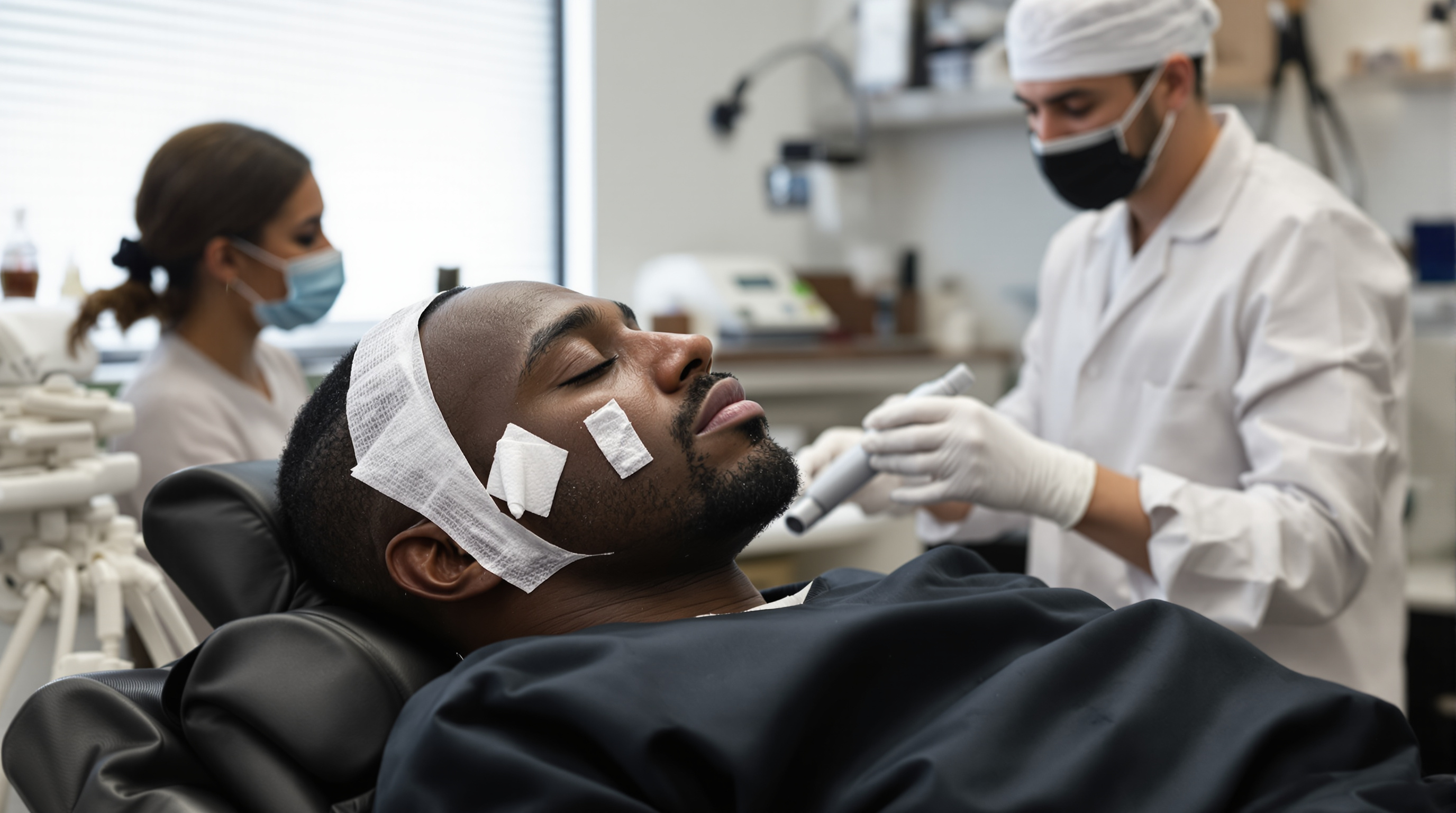
Walk into almost any consultation room on the West Side and melasma will come up. It is one of the most common pigment complaints among patients in their thirties and forties, and it is disproportionately frustrating because it tends to sit front and center: the cheeks, the upper lip, the forehead. The persistent myth attached to it is simple and appealing. If pigment is the problem, a laser that destroys pigment should be the cure. The biology says otherwise, and understanding why saves patients money, downtime, and in some cases permanent worsening.
What melasma actually is. Melasma is not a stain sitting passively in the skin. It is a chronic, relapsing condition in which melanocytes, the pigment producing cells, become hyperactive in response to a mix of triggers: ultraviolet light, visible light, heat, estrogen and progesterone fluctuation, and genetic predisposition. Recent research also points to changes below the pigment layer, including increased blood vessel density and a degraded basement membrane that lets pigment drop into the dermis. In plain terms, melasma is a behavior problem of living cells, not a debris problem. Lasers remove debris well. They do not reliably change behavior.
Why aggressive lasers backfire. Devices like intense pulsed light and high fluence Q switched lasers work by heating or shattering pigment. In sun spots caused by a discrete patch of damage, that works because the underlying cells are relatively quiet. In melasma, the melanocytes are primed and reactive. Heat itself is a known trigger, which is why melasma often flares in summer even with diligent sunscreen use. Hit reactive melanocytes with thermal energy and a meaningful percentage of patients experience rebound hyperpigmentation within weeks, sometimes darker than baseline. Patients with deeper skin tones, Fitzpatrick types III to VI, carry the highest risk, and they also make up a large share of melasma cases. There is a second failure mode worth naming: overtreatment can destroy melanocytes outright, leaving confetti like white spots called hypopigmentation that can be permanent.
What the evidence actually supports. The backbone of melasma care is unglamorous. First, broad spectrum photoprotection that includes visible light, which means tinted mineral sunscreens containing iron oxides, not just standard SPF. Visible light, including light through car windows and from screens at close range in some studies, stimulates pigment in darker skin types. Second, topical therapy. Hydroquinone remains the best studied lightening agent, typically used in supervised cycles rather than indefinitely. Triple combination creams that pair hydroquinone with a retinoid and a mild corticosteroid outperform single agents in trials. Non hydroquinone options, including azelaic acid, cysteamine, and topical or oral tranexamic acid, have growing evidence, with oral tranexamic acid showing meaningful clearance in studies when prescribed to appropriate candidates after screening for clotting risk. Third, gentle chemical peels, such as low strength glycolic acid series, can accelerate results when layered onto a stable topical regimen.
Where lasers do fit. This is not a blanket anti laser argument. Low fluence Q switched Nd:YAG treatments, sometimes called laser toning, and conservative fractional non ablative protocols can help selected patients, particularly those with dermal pigment that topicals cannot reach. The operative words are low energy, multiple sessions, and maintenance. Even in the best published series, recurrence within months is common if photoprotection and topicals stop. Any clinician framing a laser as a one time cure for melasma is describing a device, not the disease.
How to pressure test a treatment plan. A few questions separate mechanism based care from menu based selling. Ask whether the plan starts with topicals and tinted sunscreen before any device. Ask how the practice handles rebound pigmentation and whether they treat many patients in your skin type. Ask what the maintenance plan looks like at six and twelve months, because melasma management is closer to managing acne or rosacea than to erasing a tattoo. A plan with no maintenance phase is a plan built for relapse.
The bottom line. Melasma is chronic, hormonally and light driven, and heat sensitive. The intuitive fix, a powerful pigment destroying laser, targets the symptom while provoking the cause. The boring fix, rigorous visible light protection plus evidence backed topicals with devices used sparingly and gently, is what the mechanism and the clinical literature both support. In a market saturated with device marketing, the most sophisticated melasma care often looks the least dramatic, and that is exactly the point.
Related reading: Melasma in Beverly Hills: Why the Wrong Laser Makes It Worse, and What Actually Clears It and Myth Check: Do Topical Exosomes Actually Regenerate Skin, or Is Beverly Hills Selling a Story?.
More in Myth Check
View all →- Collagen Banking: What the Trend Gets Right, and What It Quietly Skips
- The Six Month Filler Myth: What Imaging Studies Actually Show About How Long Hyaluronic Acid Lasts
- Polynucleotide Injections: What the Science Actually Says About Beverly Hills' Newest Skin Booster
- Myth Check: Does 'Baby Botox' Actually Last, or Are You Just Paying More Often?