
Myth Check · July 30, 2026 · 5 min · By Desmond Okafor
Myth Check: Do Topical Exosomes Actually Regenerate Skin, or Is Beverly Hills Selling a Story?
Exosome facials and post-laser serums are now a staple offering along the Golden Triangle. Here is what the biology supports, what it does not, and the questions patients should ask before paying a premium.
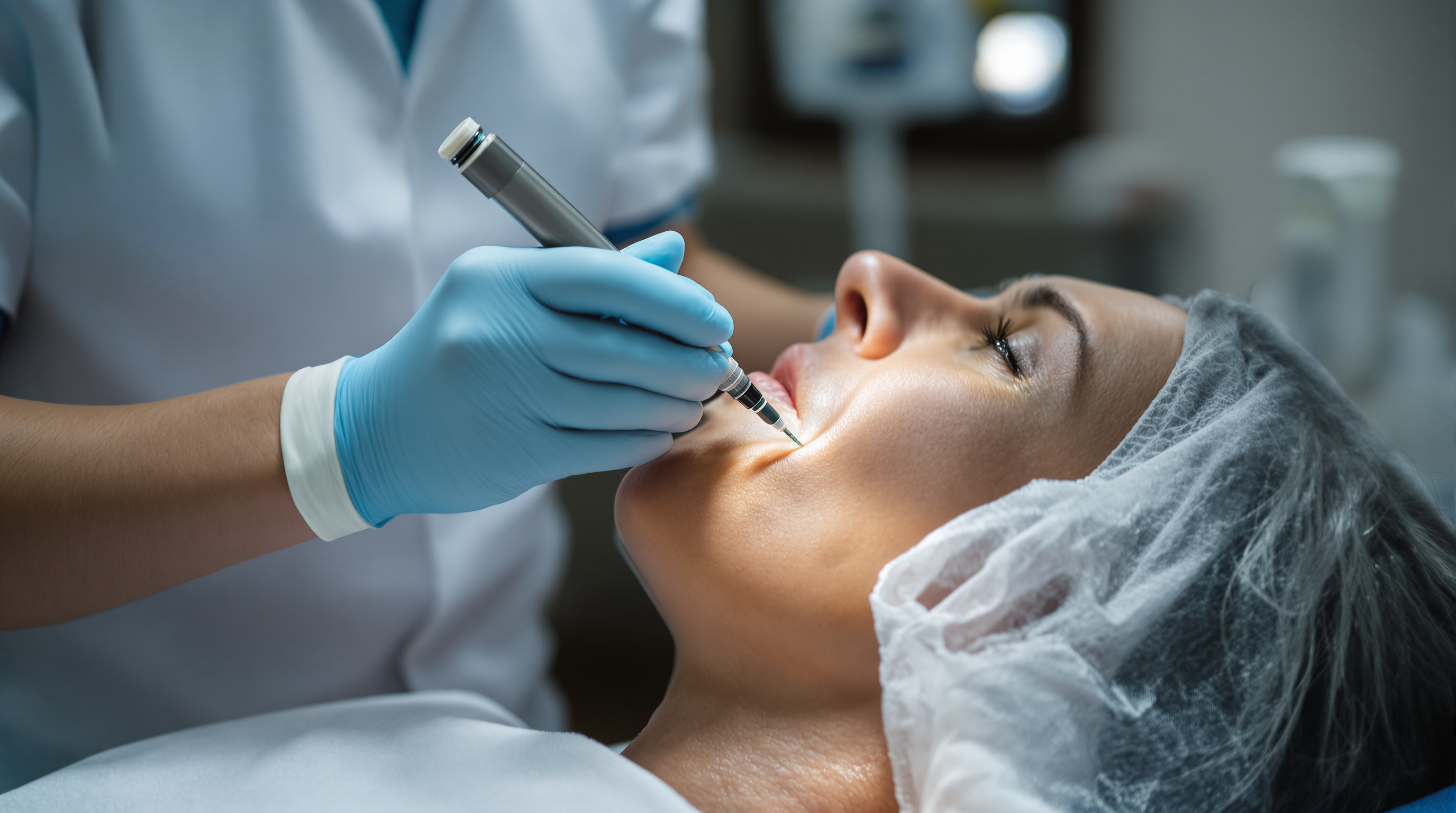
Walk into almost any aesthetic practice in Beverly Hills right now and you will hear the word exosomes. They are added to microneedling sessions, painted on after fractional laser, sold as take-home serums, and marketed as the next generation of regenerative skincare. Prices for a single treatment with an exosome add-on commonly run several hundred dollars above the base procedure. The pitch is that these tiny vesicles reprogram aging skin cells. The reality is more complicated, and worth understanding before you pay for it.
What exosomes actually are. Exosomes are extracellular vesicles, roughly 30 to 150 nanometers across, that cells naturally release as a communication system. They carry cargo: proteins, lipids, messenger RNA, and microRNA. When a vesicle from one cell is taken up by another, that cargo can change how the receiving cell behaves. This is real, well-documented cell biology. In laboratory studies, exosomes derived from stem cells have been shown to influence fibroblast activity, collagen production, and inflammatory signaling. That is the mechanistic kernel of truth underneath the marketing.
Where the claims outrun the evidence. The gap appears when you move from a petri dish to a person's face. Three problems stand out. First, regulation: in the United States, no exosome product is FDA approved for any cosmetic or dermatologic indication. Products sold for skin use are marketed as cosmetics, which means they cannot legally claim to alter skin structure or function, and they are not subject to the manufacturing and potency requirements that apply to biologic drugs. Second, sourcing and consistency: exosome products on the aesthetic market are derived from varied sources, including human placental tissue, umbilical cord cells, adipose-derived stem cells, and plant or salmon-derived materials that are not exosomes in the strict biological sense at all. Batch-to-batch content can vary enormously, and few brands publish independent characterization data showing how many intact vesicles a vial actually contains, or whether the cargo is bioactive after processing, freeze-drying, and storage. Third, delivery: intact skin is a formidable barrier. A 100 nanometer vesicle does not simply diffuse through the stratum corneum. This is why nearly all clinical use pairs exosomes with microneedling or ablative laser, procedures that create channels into the dermis. That pairing creates a confounding problem, because microneedling and fractional resurfacing improve skin quality on their own.
What the clinical data shows so far. There are small published studies, some randomized and split-face in design, suggesting that exosome application after microneedling or laser may modestly improve redness, healing time, and measured skin texture compared to the procedure alone. These are encouraging signals. They are also small trials, often industry funded, frequently using different products with different sources and concentrations, which makes results hard to generalize. A benefit seen with one manufacturer's placental-derived product tells you little about a plant-derived serum sold under a similar name. As of now, there is no large, independent, long-term trial establishing that topical exosomes regenerate skin in a durable way.
The safety question is not trivial. Human-derived biologics carry screening and processing obligations. Reputable manufacturers test donor tissue and sterilize products, but the category has already seen FDA warning letters directed at companies making unapproved therapeutic claims for exosome products, and separately, serious adverse events have been reported when unregulated exosome preparations were injected rather than applied topically. Topical use after microneedling sits in a gray zone: technically applied to the surface, practically delivered into open microchannels. Patients with autoimmune conditions or a history of reactive skin should raise this with their physician specifically.
How to think about it as a consumer. The honest summary is this: the mechanism is plausible, the early data is preliminary, the products are unstandardized, and the price premium is high. If you are already having microneedling or fractional laser done by a board-certified dermatologist and want to add exosomes, ask three questions. What is the source of this product, human-derived or otherwise? Can the practice show third-party testing or published data for this specific brand? And what result, concretely, should I expect beyond the procedure alone? A practice that answers those questions directly is treating you as a patient. A practice that answers with the word regenerative and nothing else is treating you as a customer.
Bottom line. Exosomes are not snake oil, but they are not a proven rejuvenation therapy either. In Beverly Hills, where the newest offering often commands the highest markup, the smartest move is the least glamorous one: let the procedure with decades of evidence do the heavy lifting, and treat the exosome layer as an experimental add-on you choose with clear eyes, not as the reason for the appointment.
Related reading: Myth Check: Does Hyaluronic Acid Filler Really Disappear in 12 Months? and The 15 Minutes That Matter Most: Inside a Full-Body Skin Check.
More in Myth Check
View all →- Collagen Banking: What the Trend Gets Right, and What It Quietly Skips
- The Six Month Filler Myth: What Imaging Studies Actually Show About How Long Hyaluronic Acid Lasts
- Polynucleotide Injections: What the Science Actually Says About Beverly Hills' Newest Skin Booster
- Myth Check: Does 'Baby Botox' Actually Last, or Are You Just Paying More Often?