
Myth Check · July 27, 2026 · 5 min · By Desmond Okafor
Baby Botox in Beverly Hills: What Microdosing Actually Does, and What It Cannot
Low-dose neuromodulator treatments are marketed as a gentler, more natural option. The pharmacology is real, but so are the tradeoffs. Here is what the mechanism supports and what it does not.
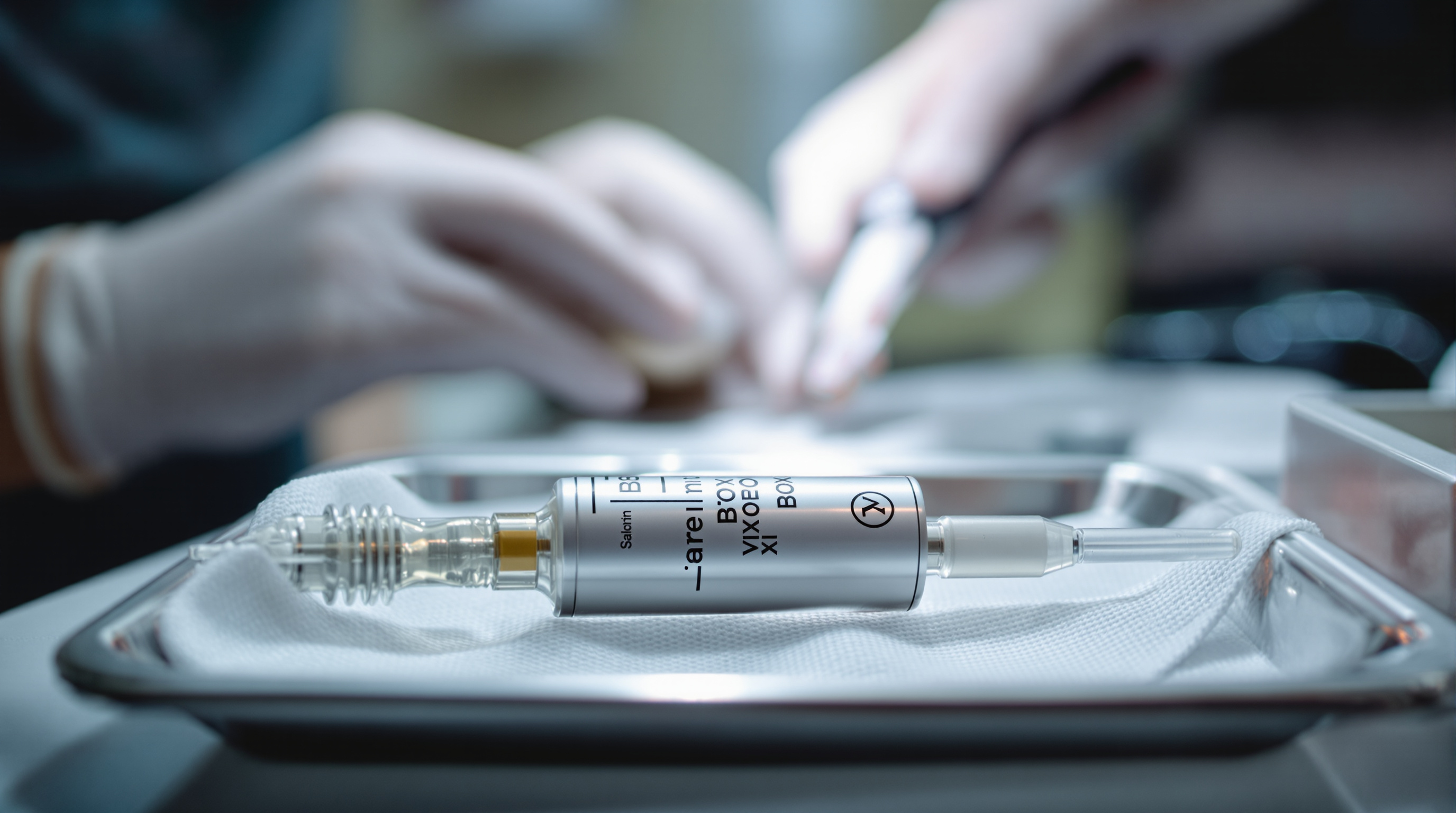
Walk through any consultation in the 90210 zip code and you will hear the phrase within minutes: baby Botox. The pitch is appealing. Smaller doses of botulinum toxin, placed in more sites, promising softened lines without the frozen look. Demand for the approach has grown fastest among patients in their twenties and thirties, many of whom frame it as prevention rather than correction. The concept deserves a fair reading, because parts of it are pharmacologically sound and parts of it are marketing shorthand.
Start with the mechanism. Botulinum toxin type A works by blocking the release of acetylcholine at the neuromuscular junction. Less acetylcholine means the treated muscle contracts less forcefully. The effect is dose dependent: more units delivered to a muscle produce a deeper and typically longer lasting reduction in movement. Microdosing simply moves along that dose response curve. A conventional glabellar treatment might use 20 to 25 units. A microdosed version might use 8 to 12 units spread across the same muscle group, sometimes injected more superficially. The muscle still contracts, just with less force. That is why expression is preserved.
What the evidence supports. Lower doses genuinely do produce a softer, more graduated result. For patients with dynamic lines, meaning wrinkles visible only during expression, partial weakening can be enough to blur the crease while keeping the brow mobile. There is also a legitimate preventive logic. Static lines, the ones etched into skin at rest, form when repeated folding fatigues the dermis over years. Reducing the frequency and force of that folding earlier in life plausibly delays etching, and longitudinal case observations, including a well known study of identical twins with divergent treatment histories, support the idea that consistent treatment slows static line formation. Microdosing can deliver that benefit while avoiding heavy paralysis.
Now the tradeoffs, which the marketing tends to skip. The most important one is duration. Because the effect is dose dependent, smaller doses wear off faster. A standard treatment typically holds for 3 to 4 months. Microdosed treatments often fade in 6 to 10 weeks. Patients who choose baby Botox for a natural look but expect four month intervals frequently return disappointed, not because the product failed but because the dose was calibrated for subtlety, not longevity. Over a year, more frequent visits can erase any per session savings.
The second tradeoff is precision risk. Spreading small aliquots across more injection points sounds gentler, but it raises the number of placement decisions. Toxin diffuses a few millimeters from each injection site. Superficial microdroplet techniques near the frontalis or around the orbicularis oculi demand careful mapping, because a poorly placed droplet can still weaken an unintended fiber group and produce brow asymmetry or a heavy lid. Dose size does not eliminate anatomy. Skill matters at least as much with microdosing as with conventional dosing, arguably more.
Third, microdosing does not treat static lines. A line that is visible when the face is fully at rest reflects structural change in the dermis: collagen fragmentation, thinning, and a physical crease. Weakening the muscle beneath it, at any dose, will not fill that groove. Patients with established etched lines usually need a combination approach, such as resurfacing, biostimulation, or filler, alongside neuromodulator. Clinics that promise microdosing alone will erase deep static folds are overselling the pharmacology.
A note on the preventive claim for very young patients. There is a difference between early treatment of visible dynamic lines and treating a face with no lines at all. For a 24 year old with no creasing even at full expression, there is no folding pattern to interrupt, and the preventive rationale becomes speculative. Some clinicians also raise a theoretical concern about long term muscle atrophy with continuous decades long use, since chronically underused muscle loses bulk. Mild atrophy in the glabella is often cosmetically neutral or even desirable, but in the frontalis it can contribute to brow descent over time. This is a reason thoughtful injectors periodically reassess dosing rather than repeating the same map indefinitely.
How to think about it as a patient. Baby Botox is best understood not as a different product but as a dosing philosophy. It suits people who prioritize expressiveness, are comfortable with shorter intervals, and have early dynamic lines rather than deep static ones. Standard dosing suits people who want maximum smoothing and fewer appointments. Neither is more advanced than the other. The honest question to ask in a consultation is not whether a clinic offers baby Botox, since nearly all do, but how many units are planned for which muscles, why that number was chosen for your anatomy, and how long the injector expects it to last. If the answer is a brand name rather than a unit count, keep asking.
Related reading: Preventative Botox at 25: Prudent Maintenance or a Subscription You Never Cancel?.
More in Myth Check
View all →- Collagen Banking: What the Trend Gets Right, and What It Quietly Skips
- The Six Month Filler Myth: What Imaging Studies Actually Show About How Long Hyaluronic Acid Lasts
- Polynucleotide Injections: What the Science Actually Says About Beverly Hills' Newest Skin Booster
- Myth Check: Does 'Baby Botox' Actually Last, or Are You Just Paying More Often?